The year AI was supposed to kill SaaS ended up showing what businesses were paying for all along. It was never the code. It was everything around it: security, permissions, updates, backups and someone accountable when it breaks. What's rising from the ashes isn't the old one-size-fits-all subscription, but platforms where teams use AI to build their own custom database software on a foundation someone else keeps secure. Vibe coding proved anyone can make software. It also proved that making it and running it are two very different jobs.
Vibe coding made the impossible feel like a weekend project
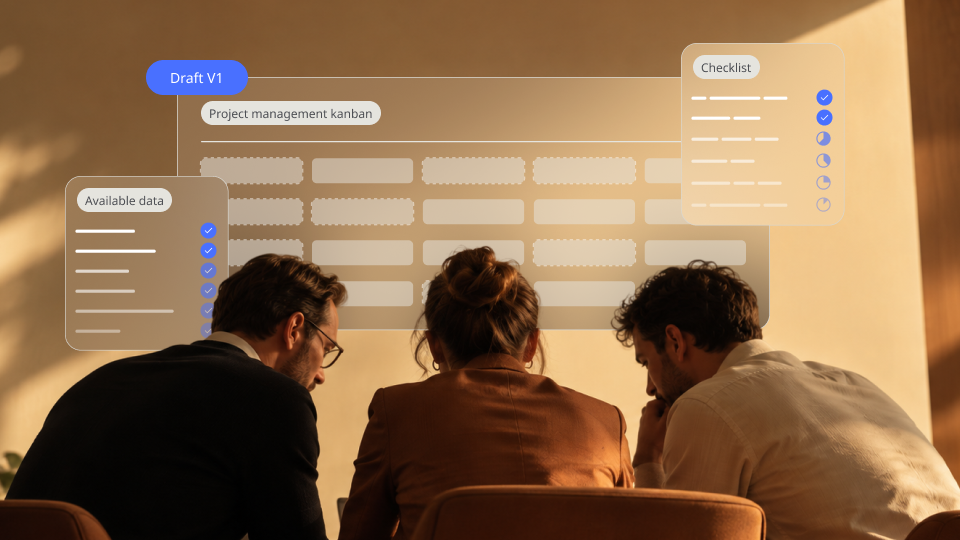
Picture an operations manager who has waited eight months for IT to replace the spreadsheet that runs her team. On a Friday afternoon she describes what she needs to an AI coding tool, and by Sunday evening she has a working app with a login screen, a dashboard and a form her team can use on Monday.
That moment is real, and it matters. People who never wrote a line of code can now turn an idea into something clickable in hours. For prototypes, internal experiments and testing whether an idea is worth pursuing, nothing has ever been this fast. The genie is out of the bottle, and nobody serious expects it to go back in.
The market called it the end of software
Investors took that moment and ran with it. As Forbes reported in February, software stocks lost more than 20% of their value early in 2026, wiping out around $1 trillion in market value while the S&P 500 stayed flat. A Jefferies trader gave the slide its name: the SaaSpocalypse.
The logic seemed simple. If any team can generate the tool it needs from a prompt, why pay a vendor every month for a tool that almost fits? Enterprises started cutting suppliers, and a wave of commentary declared per-seat software finished.
Code was never what customers were paying for
Here is the distinction the panic missed. Writing software and running software are different jobs, and AI has made the first one dramatically cheaper without touching the second.
A working app on Sunday still needs answers by Monday. Who can see which records? Where is the data stored, and is that legal for your customers? What happens when two people edit the same order, when the AI model changes, or when the person who built it leaves? A software subscription was always partly a payment for someone else to keep answering those questions, every day, for years.
The ashes are already visible
The cost of skipping that second job showed up fast. VentureBeat reported on research from security firm RedAccess, which found around 380,000 publicly accessible assets built with popular vibe coding tools. Roughly 5,000 vibe-coded apps were exposing corporate and personal data on the open web, and Axios and Wired independently confirmed some of the exposed apps.
Most of those apps weren't built by careless people. They were built by employees solving real problems, who didn't realise they were deploying software that needed authentication, access rules and someone watching it. Ditching every vendor to build everything from prompts turned out to be throwing the baby out with the bathwater.
What rises is a platform, not a subscription
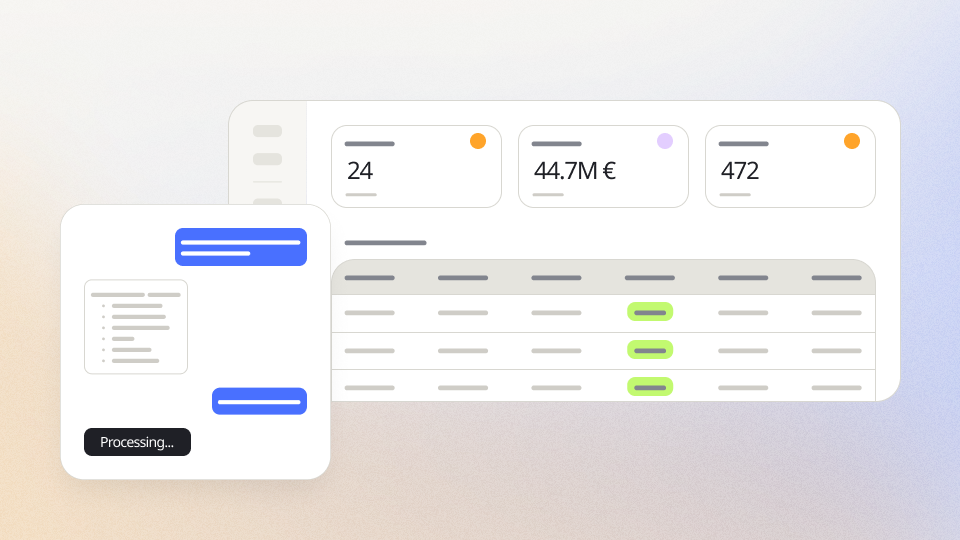
The answer isn't to go back to rigid software that bends your business to fit its screens. It's to keep the speed of building with AI and hand the hard, boring parts to a foundation built for them. Ninox is an AI-native low-code platform that can build custom database software from a plain-language description, so you get working tables, fields and logic in minutes, the way vibe coding promised.
The difference is what that software stands on. Permissions are enforced on the server for every record, so access rules hold however someone reaches the data. Point-in-time backups let you restore a workspace if a change goes wrong, and Ninox is GDPR compliant and ISO 27001 certified. Connectors bring in data from tools your team already uses, such as Lexware Office, sevdesk, Excel and Google Sheets, so the software works with real business data instead of a copy.
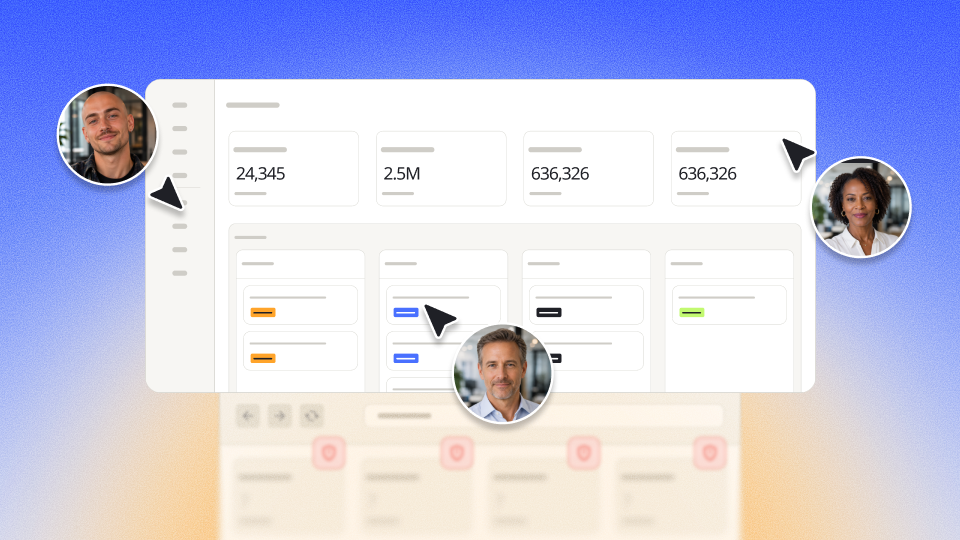
Because it's a low-code platform, your team can still see and change the logic themselves. You aren't stuck with a black box of generated code, and you aren't waiting on a vendor's roadmap to fix a field that doesn't fit. You get the ownership of building it yourself without carrying the infrastructure alone.
Software is already climbing back
The market has started to notice. By June, Forbes noted that Business Insider was calling the SaaSpocalypse over, citing a 13% rebound in the iShares Expanded Tech-Software ETF. The same piece argued that vibe-coded apps are unlikely to match the features and governance of established platforms. Software isn't dying. It's being rebuilt around one idea: teams want to shape their own custom database software, and they want a low-code platform underneath that keeps it safe, current and theirs.
Take the next step.